Kevin Kang’ethe Accused of Stabbing Girlfriend to Death: Court Hears Chilling Details
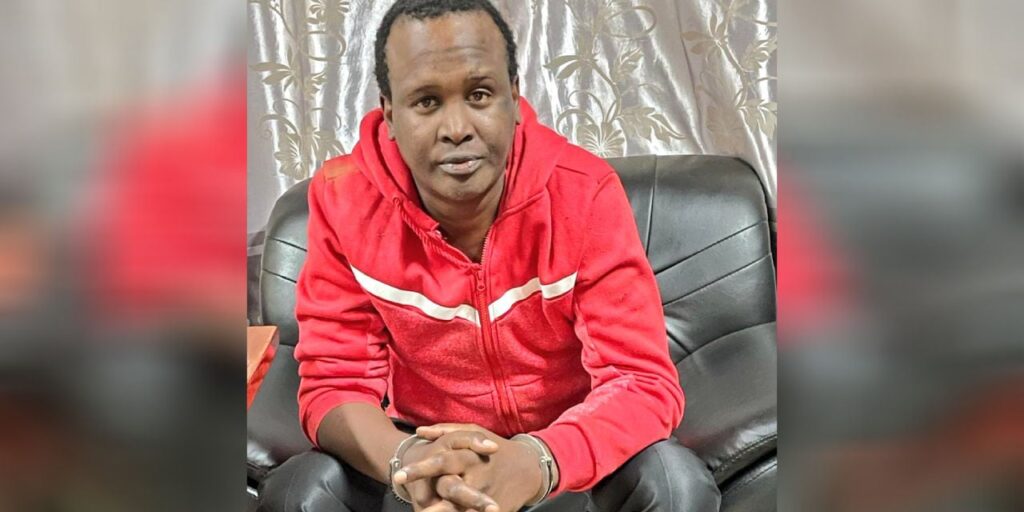
PHOTO: Murder suspect Kevin Kang’ethe.
A Boston courtroom heard disturbing details on Tuesday about the tragic murder of Margaret Mbitu. Prosecutors alleged that her boyfriend, Kevin Kinyanjui Kang’ethe, brutally stabbed her ten times in the face and neck before leaving her lifeless body at the Boston Logan International Airport. Kang’ethe, the prime suspect, had been extradited from Kenya after attempting to flee from justice.
The Shocking Crime Unfolds
The case began on October 31, 2023, when authorities discovered Mbitu’s body inside an SUV at the airport. Mbitu had been reported missing earlier that day, prompting a search that ended in a gruesome discovery. Her body was slumped face down in the reclined passenger seat, hidden under items in the vehicle in an attempt to avoid detection.
During the hearing, the prosecution laid out a sequence of events that painted a horrifying picture. According to their account, Kang’ethe left his home in Lowell and took a taxi to Mbitu’s workplace. They met as she left her office, and he then convinced her to drive him back to her place in her car. What followed was nothing short of shocking. As they drove, Kang’ethe allegedly pulled out a knife and launched a vicious attack, stabbing her repeatedly in the face and neck.
The Grim Aftermath
Prosecutors said that, after the attack, Kang’ethe acted as though nothing had happened. He even answered phone calls from Mbitu’s family and coworkers, who were concerned about her whereabouts. When questioned, he calmly claimed that she had suffered an injury and could not come to the phone. He then disposed of her phone in a dumpster in Chelsea, which later became a crucial piece of evidence.
Detectives tracked the phone and retrieved surveillance footage, which helped them piece together Kang’ethe’s movements after the crime. Thirty hours later, Mbitu’s body was found, and authorities quickly identified Kang’ethe as the main suspect. By then, he had already fled to Kenya, attempting to escape justice. However, international cooperation led to his extradition back to the United States, where he now faces trial.
Family’s Heartbreaking Testimony
The courtroom became a place of deep sorrow as Mbitu’s family shared the immense pain her death had caused them. Margaret Mbitu was not just a victim of a horrific crime; she was a beloved sister, daughter, and friend who had touched many lives.
Speaking on behalf of Mbitu’s sister, cousin Mary Kinyariro expressed their anguish but also their determination to seek justice. “It has been a long journey coming. Today gives us hope and represents a step forward toward justice,” she told the court. Her voice was filled with emotion as she vowed that they would not rest until Kang’ethe was held accountable for his actions. “We will continue to fight until this coward is locked up and never sees light again or gets to harm any other family and take their loved one away from them,” she added.
Another family member, cousin Joel Muhoro, remembered Mbitu fondly. He described her as a kind and generous soul who had dreams of becoming a business owner and a nurse practitioner. “We think about her dreams of being a business owner, of becoming a nurse practitioner to help care for others and we remember the hole left in our lives,” Muhoro said. The family’s testimony revealed the deep emotional wounds left by Mbitu’s sudden and violent death.
A Community Mourns
Mbitu’s death left a lasting impact on those who knew her, both within her family and in the community. As a nurse, she had devoted her life to helping others, and her patients adored her for her kindness and compassion. Suffolk County District Attorney Kevin Hayden spoke of her as someone who had brought light and warmth to everyone around her. “She was deeply loved, she was a caregiver, a nurse beloved by every patient that she served, a beautiful soul and a wonderful daughter and a loving sister,” Hayden said during the court proceedings. His words echoed the sentiments of many who had crossed paths with Mbitu during her lifetime.
The Path to Justice
As the trial unfolds, the legal process will likely bring more revelations. For now, the court has denied Kang’ethe bail, citing the seriousness of the charges and the risk of him fleeing once again. He pleaded not guilty to the murder charges, but the overwhelming evidence presented by the prosecution paints a chilling picture of premeditated murder. The case will be mentioned again on November 5, and the road to justice for Margaret Mbitu continues.
This trial represents more than just a legal battle; it embodies the hope of a grieving family seeking closure. They have endured tremendous loss, but they remain steadfast in their pursuit of justice. Mbitu’s loved ones have made it clear that they will not rest until the person responsible for her death is held fully accountable.
A Global Reach for Justice
Kang’ethe’s extradition from Kenya underscores the importance of international cooperation in solving crimes that cross borders. His attempt to escape justice by fleeing to another country ultimately failed, and his return to the United States shows the commitment of both Kenyan and American authorities to ensuring that justice is served. This case has drawn attention not just in the U.S. but internationally, as people follow the developments closely.
Moving Forward
As the court case progresses, many hope that Mbitu’s family will find some measure of peace. They have faced unimaginable loss, and the journey toward healing will be long and difficult. For now, they hold on to the hope that the justice system will do its part in bringing the person responsible for Margaret Mbitu’s death to account.
The tragic death of Margaret Mbitu has sent shockwaves through her community and beyond. Her life was cut short in an act of senseless violence, but her memory lives on in the hearts of those who loved her. As the legal process unfolds, her family continues to fight for the justice she deserves, determined to ensure that no other family endures the same pain they have suffered.
The case of Kevin Kang’ethe serves as a tragic reminder of the destructive consequences of domestic violence. It highlights the importance of intervention and support for victims of abuse. As Margaret Mbitu’s family awaits justice, they carry her memory with them, honoring the life she lived and the love she gave to so many. The journey toward healing may be long, but the fight for justice remains their guiding light.